
ACL — Grade II Partial Tear
Right knee · 14 weeks post-injury
Your Injury
Has a Research File.
Answer twelve questions. Get a personalized recovery pathway built from 4,200+ published outcomes.
How We Work
Through Every Injury.
Each phase is a clinical checkpoint, not a formality. Scroll through our protocol as it would apply to your injury.
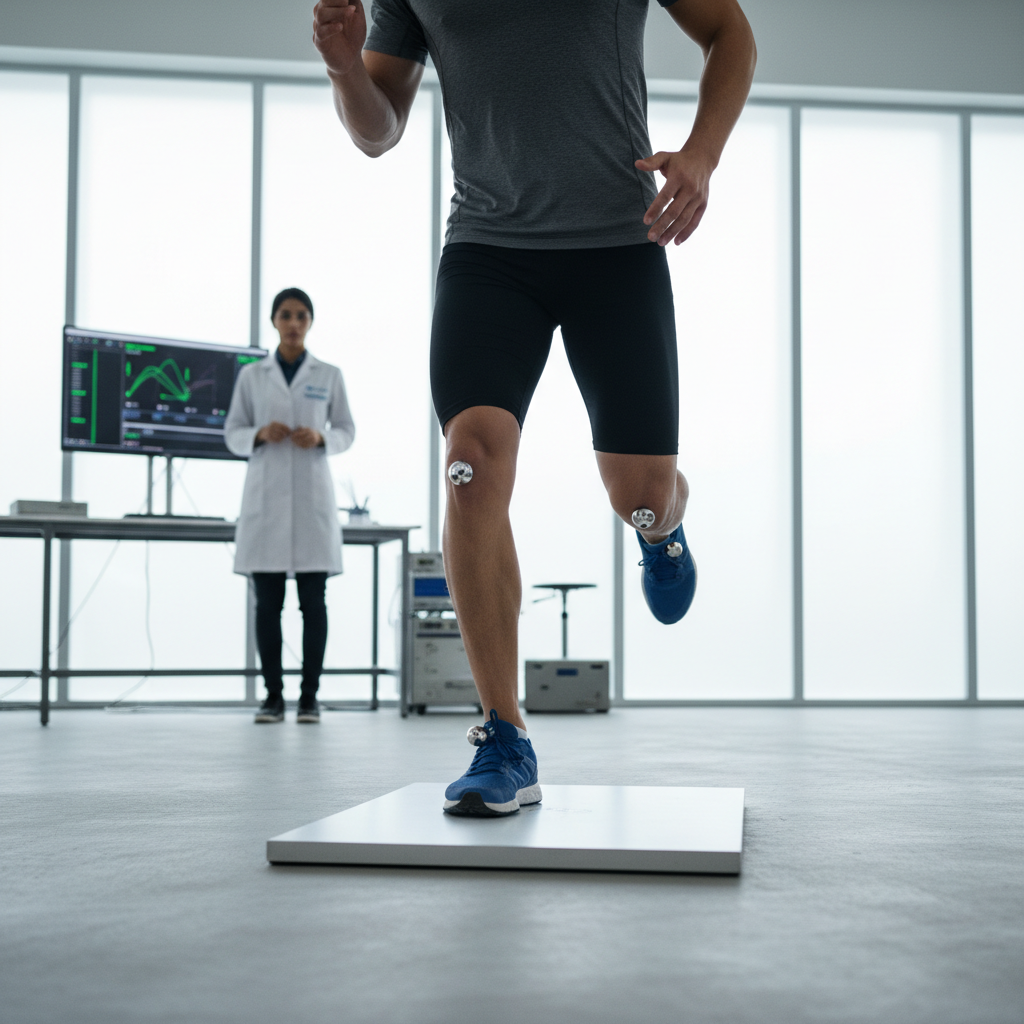
Force-plate asymmetry detected: 23% left-right deficit at initial assessment.
Every injury begins with a conversation the imaging can't have.
Our intake protocol goes beyond pain location. We map mechanism of injury, movement compensations, prior treatment history, and psychosocial load factors. Our validated 47-point assessment captures variables that predict recovery timeline with 89% accuracy.
Phase 1 of 6

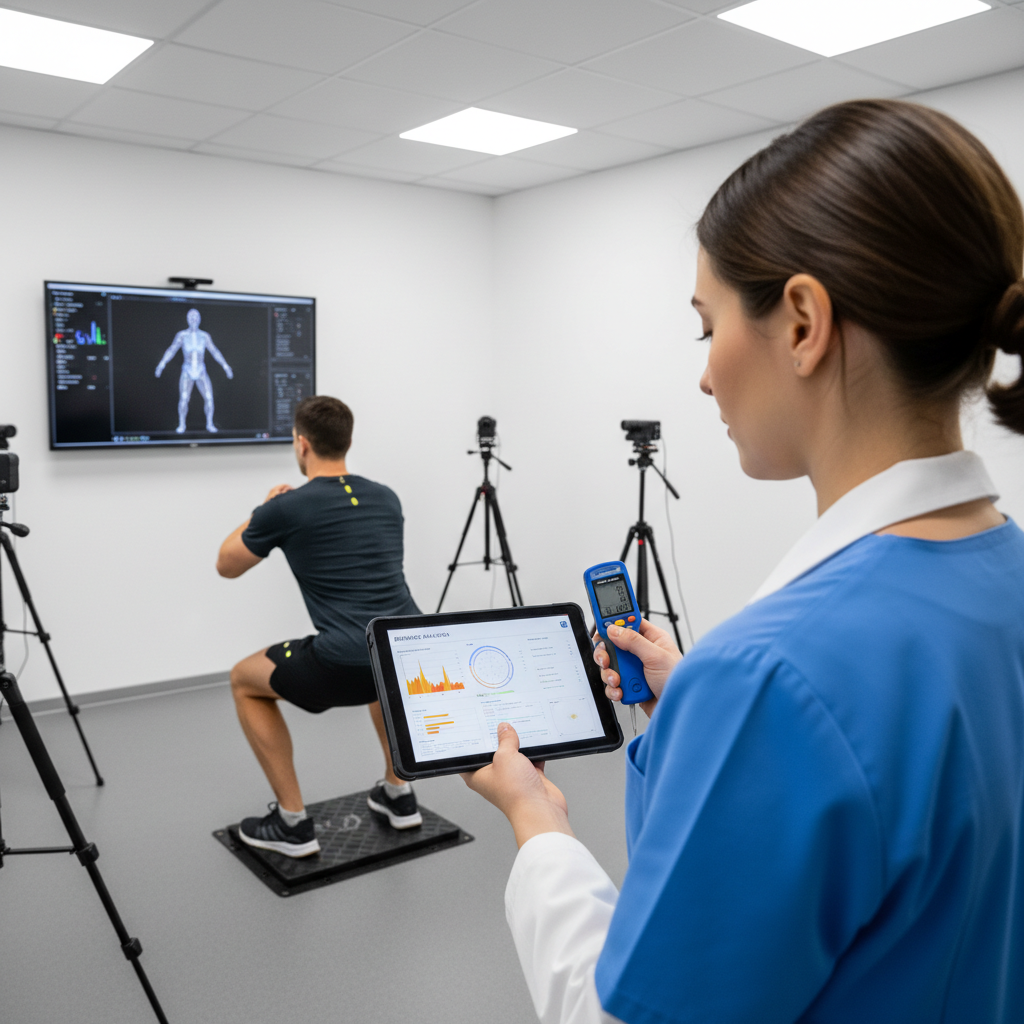
MRI cross-reference: 312 matching cases found · Mean recovery: 14.2 weeks.
We read imaging differently because we trained differently.
Our radiologists cross-reference your MRI against 4,200+ annotated cases from our outcomes database. A Grade II ACL partial tear in a 28-year-old recreational soccer player looks different from the same diagnosis in a 22-year-old collegiate sprinter — and your protocol should reflect that.
Phase 2 of 6
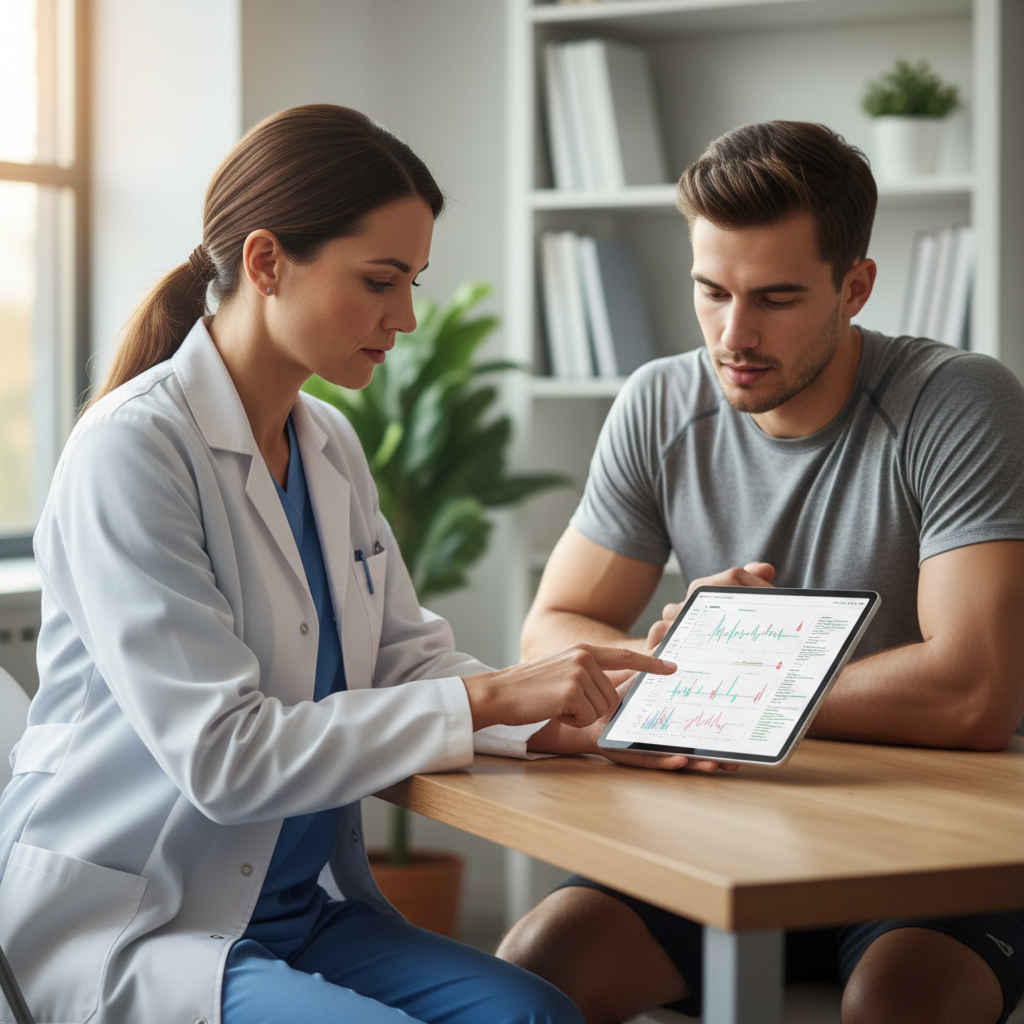
Functional diagnosis: Kinetic chain deficit identified at hip external rotation (-18°).
A diagnosis that accounts for what you do, not just what's torn.
We deliver a functional diagnosis — not just a structural one. Tissue grade, load tolerance, neuromuscular control deficit, and kinetic chain involvement are synthesized into a single document your coaches, trainers, and physical therapists can act on immediately.
Phase 3 of 6
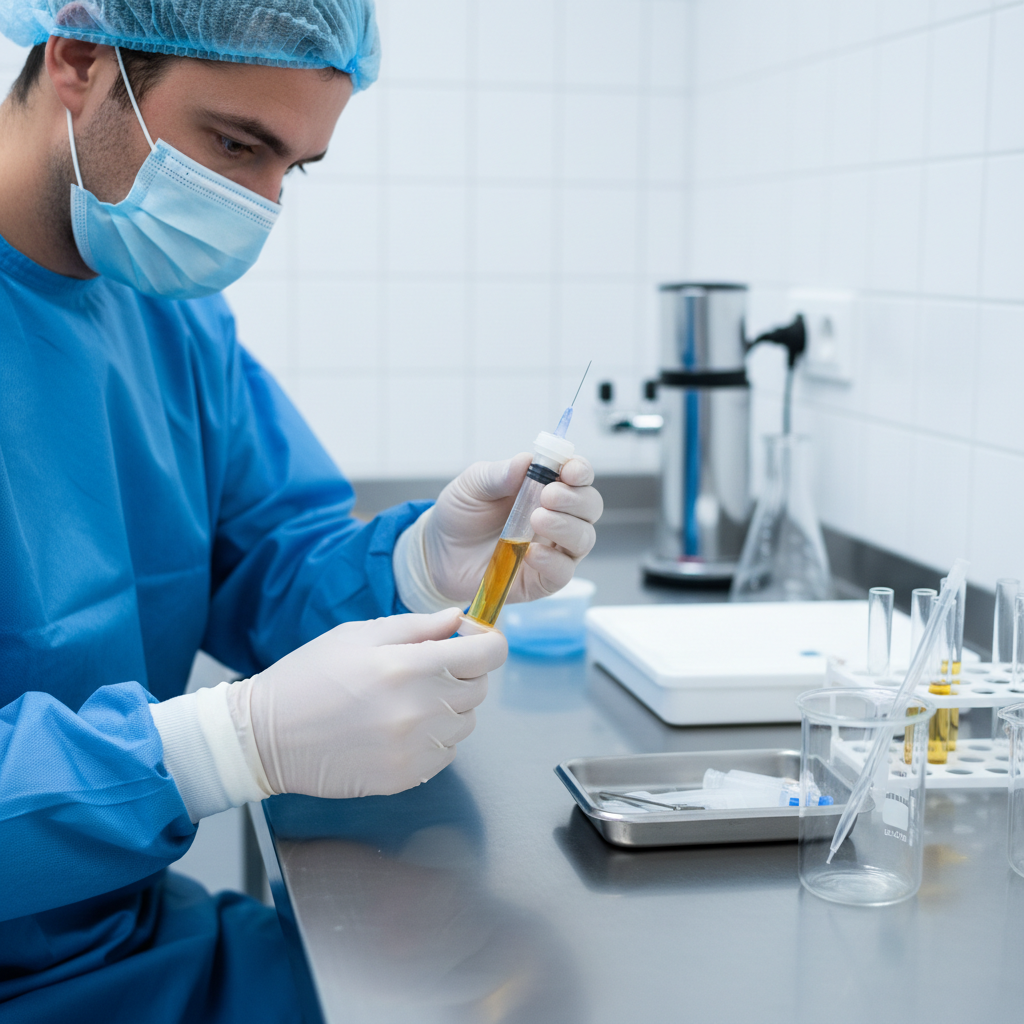
PRP Protocol v4.2: Leukocyte-rich · 3× concentration · Day 7 post-injury window.
Platelet-rich plasma, guided by data — not optimism.
Our treatment protocols are drawn from 18 years of outcomes tracking. PRP concentration, injection timing relative to tissue phase, load progression windows, and adjunct modalities are calibrated to your specific injury profile — not the average one.
Phase 4 of 6
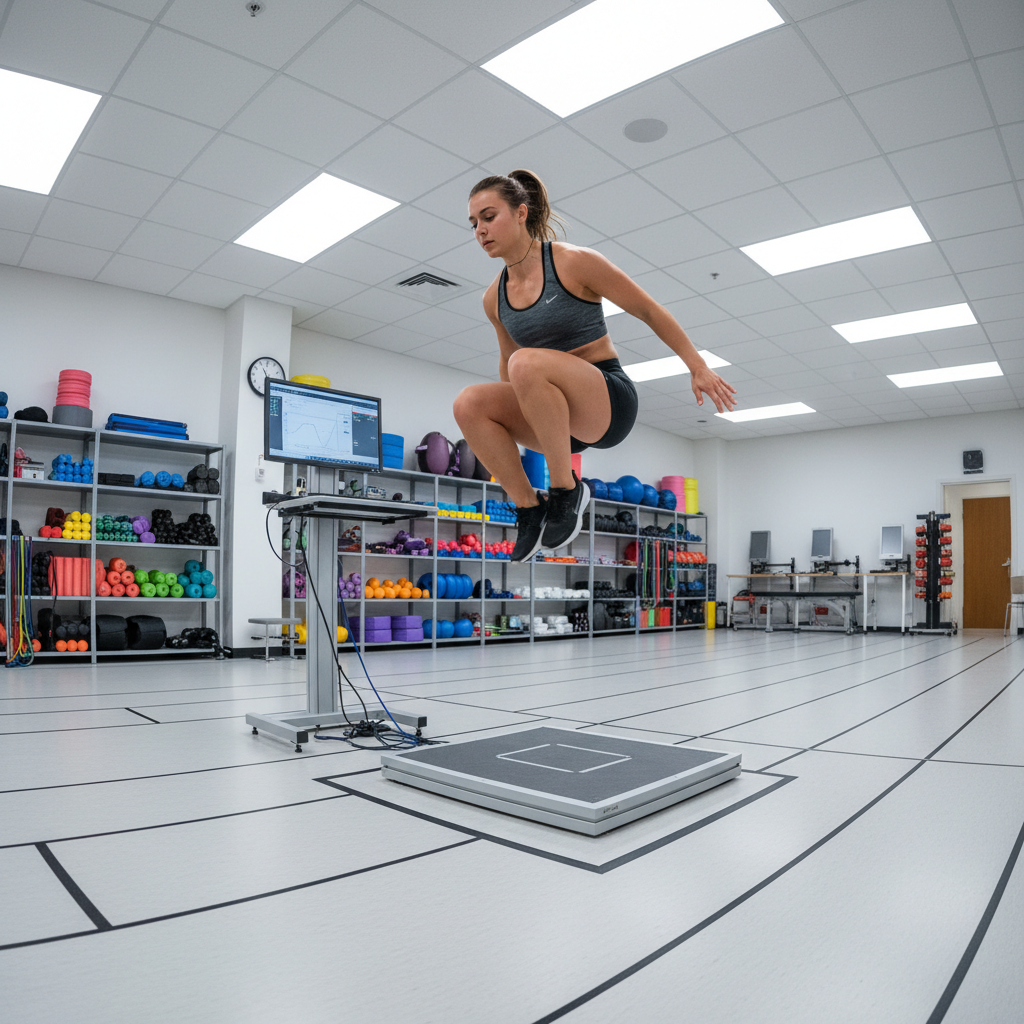
Gate 3 cleared: LSI 91% · Single-leg hop 88% symmetry · Load tolerance: 2.4× BW.
Rehabilitation timelines built around return criteria, not calendar weeks.
We abandoned calendar-based rehab in 2014. Every progression gate in your protocol is tied to objective criteria — limb symmetry index, neuromuscular control benchmarks, sport-specific load tolerance. You advance when your tissue is ready, not when six weeks have passed.
Phase 5 of 6
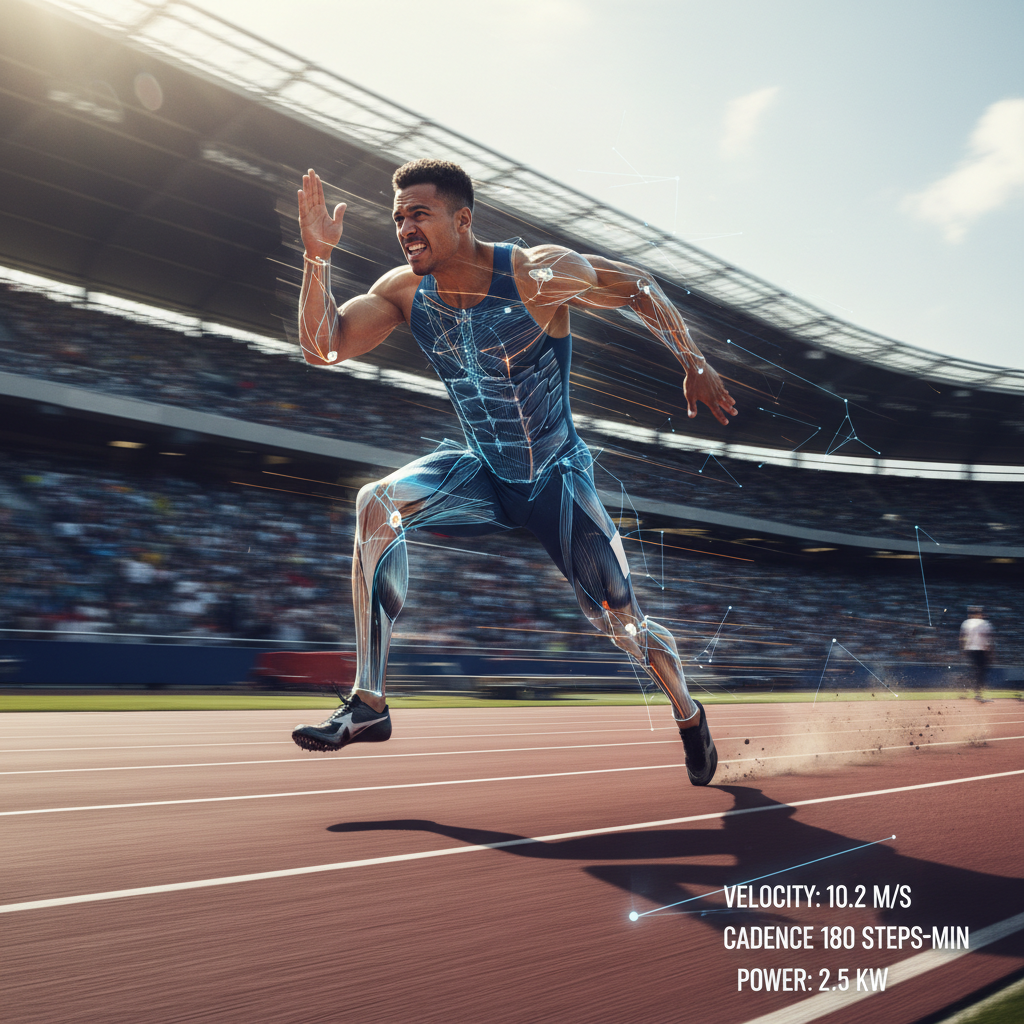
Clearance issued: 94% symmetry · Re-injury risk: Low · Monitoring: 12 months.
Cleared to return. With the data to prove it.
Our return-to-sport clearance package includes a full biomechanics report, updated imaging comparison, neuromuscular control summary, and a 12-month monitoring protocol your team physician can reference. The goal isn't just return — it's return without the re-injury that ends careers.
Phase 6 of 6
The Numbers
Behind Every Protocol.
Our outcomes database is the foundation of every protocol we write. Not opinion. Not tradition. Data.
Criteria-Based ACL Return-to-Sport: 5-Year Outcomes in Collegiate Athletes
Leukocyte-Rich PRP in Partial Ligament Tears: Timing and Concentration Variables
Force-Plate Asymmetry as Predictor of Re-Injury Risk in Return-to-Sport Athletes
Three Different Athletes.
One Standard of Care.

Chasing one more season
You've been told your options are limited. We've heard that before.
Your career window is measured in months. We understand that "conservative management" means something different when your contract is on the line. Our protocols are calibrated for the highest-demand return scenarios.
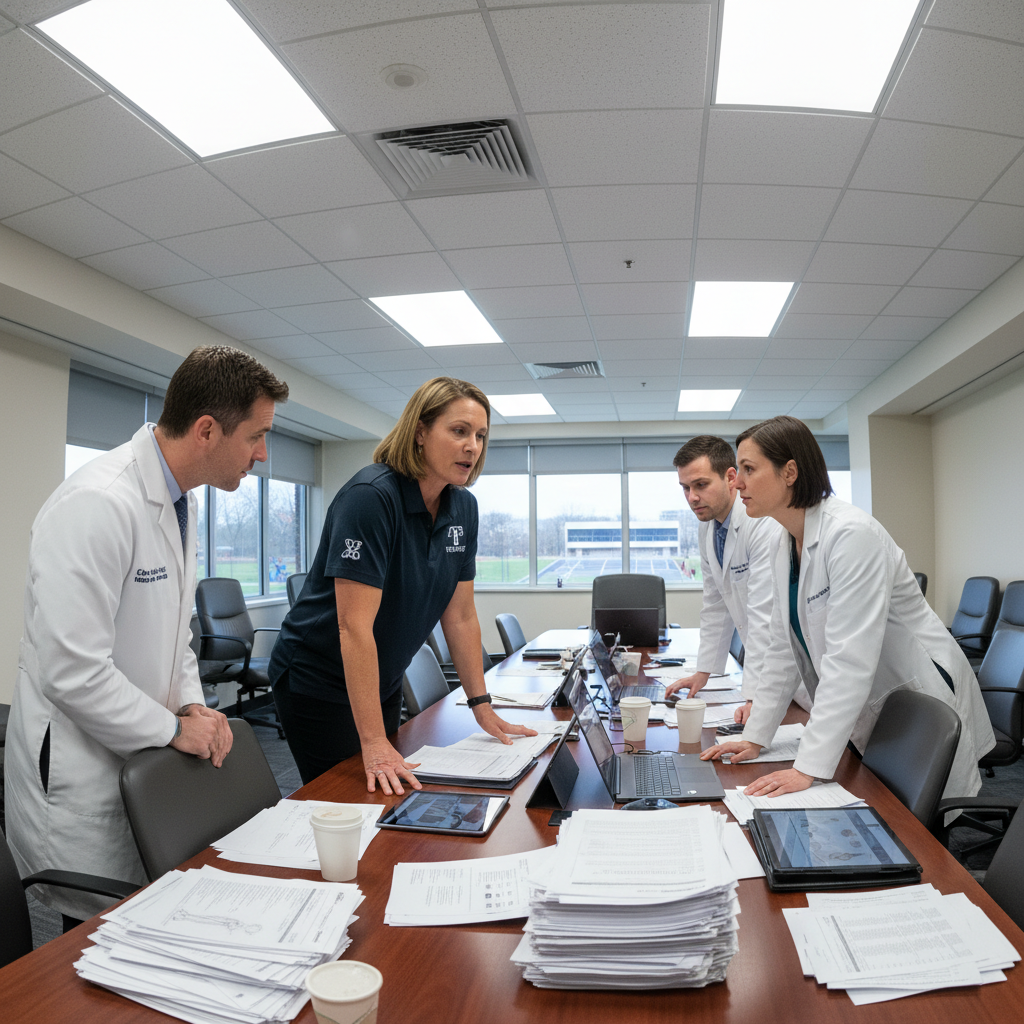
Managing a roster of soft-tissue injuries
Your medical staff needs a research partner, not another referral.
We work directly with team physicians and athletic trainers. Our roster management protocols include bulk intake assessments, tiered return-to-sport timelines, and a direct clinical liaison for in-season decisions.
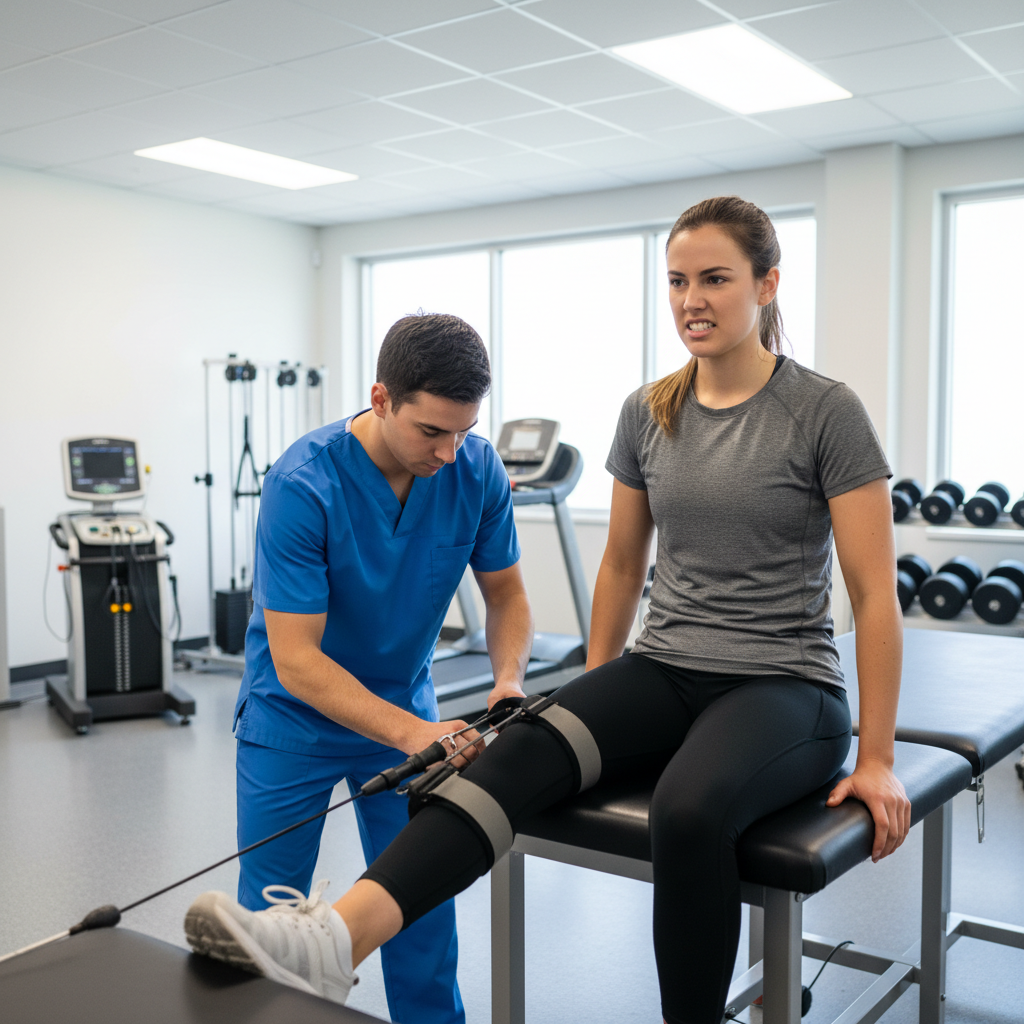
Your MRI results just changed your identity
This injury doesn't have to define what you can't do anymore.
You're not a professional athlete, but your quality of life is just as real. We treat recreational athletes with the same diagnostic rigor we apply to everyone — because a torn ACL matters whether you're paid to play or playing to live.
Recognize yourself in any of these?
Start the assessment and we'll match your profile to a recovery pathway.
Start Here.
Get a Pathway, Not a Pamphlet.
Twelve questions. Four minutes. Your answers feed directly into our outcomes database and generate a personalized recovery pathway summary.
Your Injury Assessment
Answer 12 questions about your injury. We'll cross-reference your profile against our outcomes database and generate a personalized recovery pathway — delivered to your inbox.